The Wooden Bridge Loop: A Complete Walking Guide
Step-by-step directions for the iconic wooden bridge circuit, including rest spots and what birds you're likely to see in each season.

Why This Loop Matters
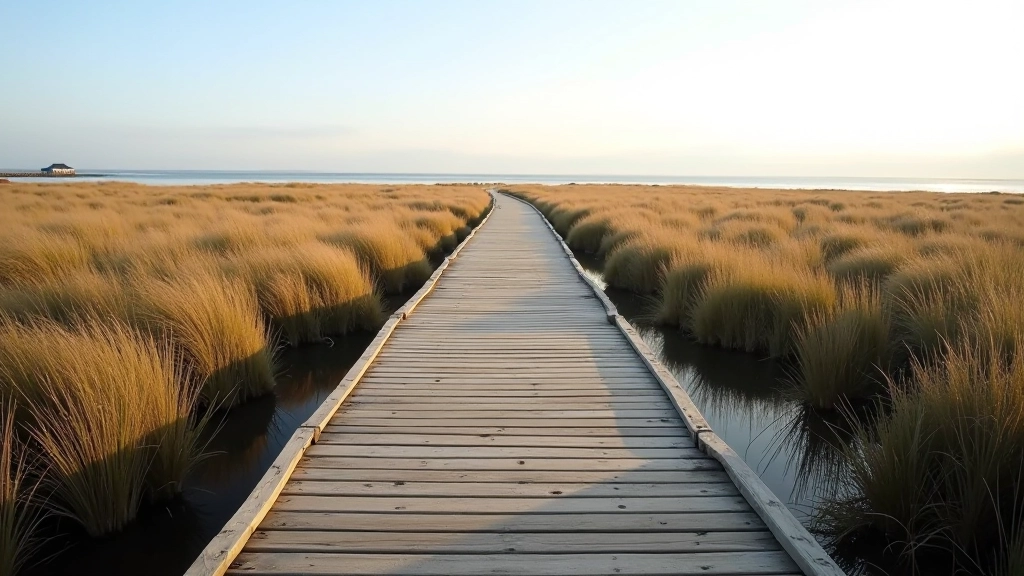
The wooden bridge circuit at Bull Island isn't just a walk — it's the heart of what makes this nature reserve special. You'll cross the iconic timber boardwalk that locals have used for decades, move through three distinct habitat zones, and finish knowing exactly why you came back.
We're talking about 4.2 kilometers of mostly flat, well-maintained paths. No scrambling. No surprises. The route's designed so you can stop whenever you need, rest on the benches scattered throughout, and still feel like you've done something worthwhile. Most people take 90 minutes to two hours, but there's no clock here.
Getting Started: The East Wall Entrance
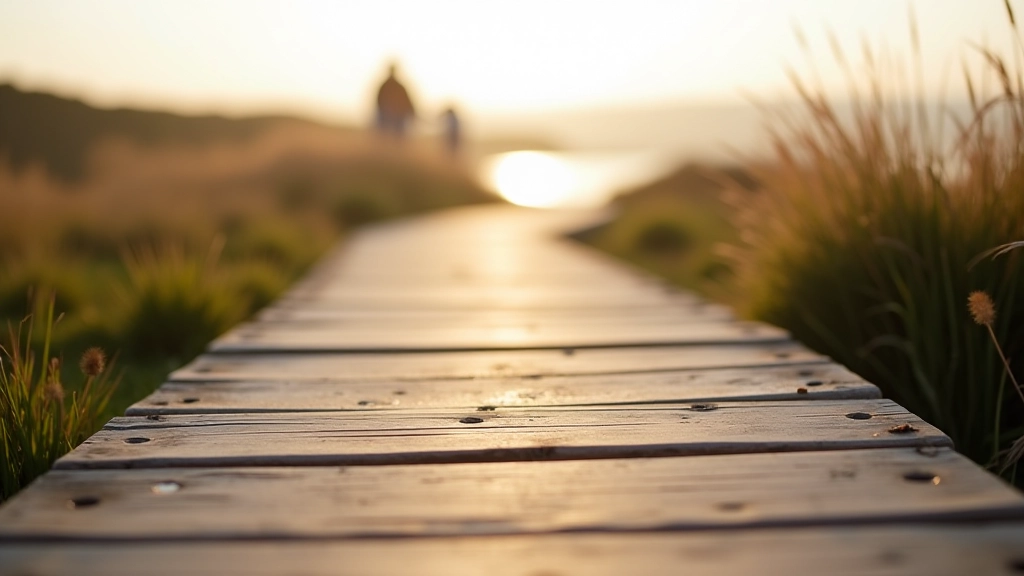
You'll start at the East Wall car park — that's your easiest entry point with proper facilities and parking. From there, head toward the information board. You can't miss it. The path forks almost immediately, and you'll take the left fork that leads toward the wooden bridge itself.
Don't rush this first 400 meters. Your eyes are adjusting to the landscape. You'll notice the salt marsh opening up, the water channels, and if you're lucky, you'll spot some early waders feeding in the shallows. The path here is about 2 meters wide, so there's plenty of room if you're walking with someone else or stopping frequently.
First-Timer Tip: Bring water. Not because it's difficult, but because you'll want to linger at the viewing points, and there's nothing worse than being thirsty with another 45 minutes to go.
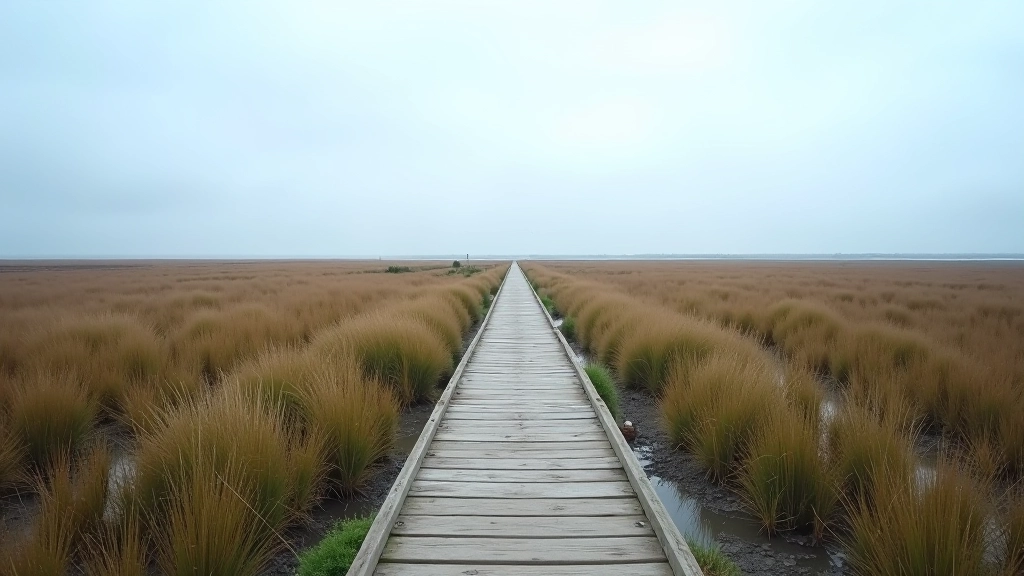
Important Note: This guide is for educational purposes. While the wooden bridge loop is accessible year-round, tidal conditions do affect certain sections. Always check tide times before heading out, especially if you plan to explore the wider reserve. Conditions can change with weather — bring appropriate footwear and clothing for Dublin's coastal climate.
The Bridge Section: Where Magic Happens
About 800 meters in, you'll reach the wooden bridge itself. This is the centerpiece. The structure's been there since 1988, and it's held up remarkably well. You'll cross over the main channel here, and the views open up completely. On a clear day, you can see across the entire northern mudflats toward the north shore.
The bridge is roughly 150 meters long, and it's where most people stop for photos. There's a viewing platform halfway across if you want to sit for a bit. It's solid, safe, and you'll feel it sway slightly in the wind — that's completely normal. The structure's designed for it.
Birdwatchers particularly love this spot. The vantage point lets you see feeding waders without disturbing them. You'll spot redshanks, dunlins, and if you're there in spring or autumn, curlews working the mudflats. Stay quiet, move slowly, and you might catch something genuinely rare.
What Birds You'll Actually See
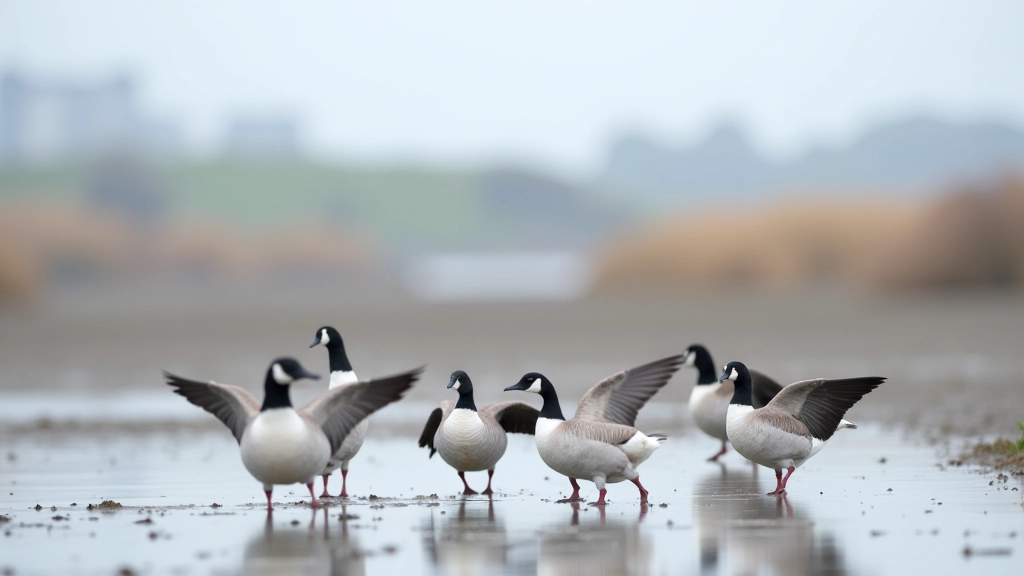
Brent Geese
Winter visitors, September through March. They're small, dark, and incredibly numerous. You'll hear them before you see them — that distinctive honking carries across the water. They graze on the salt marsh vegetation, so you'll find them scattered across the reserve.
Redshanks
Year-round residents with a population spike in winter. They're medium-sized waders with bright red legs (obviously). You'll spot them probing the mud at the water's edge. They're skittish, so binoculars help. Early morning is best for watching them feed.
Dunlins
Smaller waders, abundant in autumn and winter. They move in tight flocks, which makes them easier to spot — just look for the coordinated movement across the mudflats. They're only here for migration periods, but when they're present, they're everywhere.
Curlews
Less common but unmistakable. Long curved bill, larger frame. They show up during spring and autumn migrations. The call is haunting — once you hear it, you'll recognize it forever. Usually seen in small groups feeding on the reserve's edges.
Finishing the Loop: The Return Path
After the bridge, the path continues southeast through the core marsh habitat. You'll walk through narrower sections where the vegetation closes in slightly. This is where the landscape really changes character — quieter, more intimate. The walking here is straightforward, but you're definitely in the reserve's working habitat now.
The final 1.5 kilometers loop back toward the visitor center. You'll pass a second set of viewing platforms (these are great for a rest), then gradually move back toward the developed areas. The last section takes you through mixed grassland and back to the car park. It's a gentle descent, which is perfect because by this point you've earned it.
Total time: 90 minutes to 2 hours depending on stops. Distance: 4.2 kilometers. Difficulty: Easy. Suitable for retirees, families, and anyone who just wants a solid walk with real nature and no pretense.

Practical Tips That Actually Work
1
Check the Tide
High tide changes everything. Some paths become inaccessible, and the entire marsh ecosystem looks different. There's no rush — visit at whatever tide works best for you. Just know what you're getting.
2
Wear Proper Footwear
The boardwalk's safe, but the surrounding areas get muddy. Waterproof walking shoes or boots. Not trainers. Not sandals. You'll thank yourself on the way back.
3
Bring Binoculars
You don't need expensive ones. Basic 8x42 binoculars will let you see birds properly without disturbing them. Makes the whole experience richer.
4
Go Early
Morning walks mean fewer people, better light, and more active birds. You'll be back by lunchtime. The reserve feels completely different before 10 a.m.
5
Respect the Wildlife
This isn't a zoo. Stay on the paths, move quietly, don't feed anything. The birds here are wild and genuinely vulnerable. Your presence changes their behavior — minimize it.
Related Guides