

Understanding the Tides at Bull Island
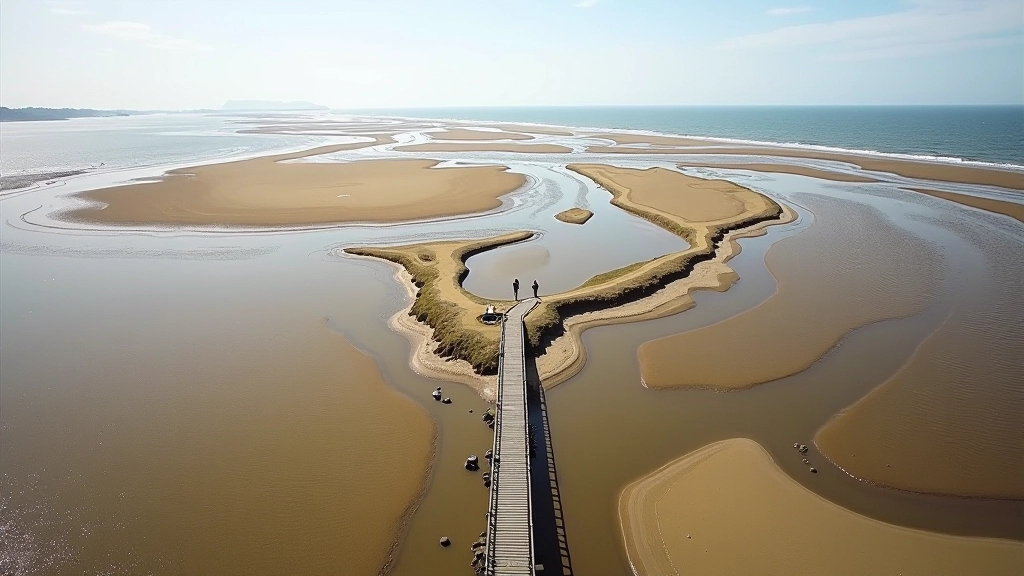
The tides are the heartbeat of Bull Island. They're what make this place special — the mudflats expose themselves twice a day, revealing channels and feeding grounds that'll amaze you. But here's the thing: you need to respect them. We're not saying you should be afraid, just prepared.
Bull Island experiences semi-diurnal tides, meaning two high tides and two low tides every 24 hours and 50 minutes. That extra 50 minutes shifts everything each day. If you walked at 10 AM yesterday, you won't find the same conditions at 10 AM today. It's one of the reasons people come back again and again — the island's always slightly different.
The tidal range here is roughly 1.4 meters on average. During spring tides (when the moon's pulling hardest), you might see 1.8 meters or more. Neap tides bring less dramatic changes — around 1 meter. The difference between these states shapes which paths you can walk and when.

Planning Your Visit: Reading the Tide Tables
You'll want to check the tide predictions before you go. It's not complicated. High tide locks you off certain paths. Low tide opens up the entire mudflat. Most people prefer walking around low tide — you've got more ground to explore and you won't be pushed back by rising water.
The Irish Marine Institute publishes tide tables online. You'll find Dublin Bay predictions there. Download them or screenshot them. We recommend arriving about 90 minutes before low tide and leaving by the time the tide's been low for 45 minutes. That gives you a solid three-hour window to enjoy the island without stress.
Spring tides happen roughly every two weeks — that's when you'll see the most dramatic exposure of mudflats and channels. If you've never walked the island before, a spring tide's actually your best chance to see what's possible. Neap tides are gentler, less exposed, but still worthwhile.
⚠️ Important Information
Tidal walks involve natural coastal conditions that can change rapidly. This guide is educational information only — not a substitute for real-time tide data, weather forecasts, or local guidance. Always check current tide predictions from the Irish Marine Institute before visiting. Be aware that conditions can be slippery, weather can shift quickly, and the sea always deserves respect. If you're unsure about your fitness for coastal walking, consult with your doctor beforehand.
What to Wear: Practical Preparation
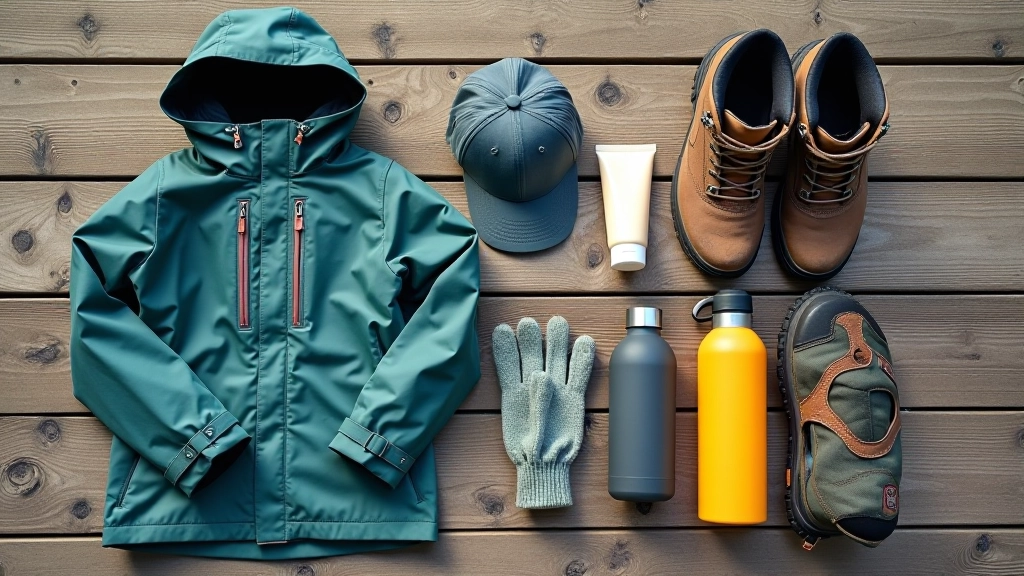
Dress in layers. That's the golden rule. The island's exposed, winds come off the water, and temperatures drop faster than you'd expect. Start with a moisture-wicking base layer — cotton holds water and keeps you cold. Merino wool or synthetic fabrics are better choices. Add a fleece or sweater on top, and bring a windproof outer layer that you can tie around your waist if you warm up.
Footwear matters more than people think. The mudflats are firm when wet, but slippery. Waterproof walking boots with good grip are essential — not trainers. Bring two pairs of socks, and don't hesitate to change them halfway through if they get damp. Wet feet mean a miserable walk and potential blisters that'll keep you off your feet for days.
Sun protection is crucial even when it doesn't feel warm. Reflected light off the water intensifies UV exposure. Wear a hat with a brim, apply sunscreen with at least SPF 30, and consider sunglasses that filter UV. Bring a small backpack with water — at least 1 liter — and a simple snack. You're not climbing mountains, but staying hydrated keeps your energy up.

Safety Considerations and Fitness
Walking the tidal flats is gentler than hiking uphill, but it's not effortless. You're covering 4-5 kilometers of ground that can be uneven. Your joints absorb impact differently on mudflats than on firm paths. If you've got knee or hip concerns, start with shorter walks at low tide when the ground's most stable.
Weather changes quickly here. Fog rolls in, winds pick up, and rain doesn't announce itself politely. Check the forecast the morning of your walk. Don't go out if there's a gale warning or heavy rain forecast. It's not worth the risk. Wind alone can make the walk genuinely challenging, especially for anyone with balance concerns.
Bring a basic first aid kit in your backpack — blister treatment, a small bandage, and pain relief if you use it. Let someone know you're going and roughly when you'll be back. Walking alone is fine, but keeping contact with someone at home gives everyone peace of mind. Mobile signal's spotty on the island, so don't rely on your phone for emergencies.
Final Tips: Making the Most of Your Walk
Arrive early enough to enjoy the experience without rushing. Give yourself at least three hours on the island. The first 45 minutes is exploration, getting your bearings, noticing the landscape. The next hour or so is where you actually relax into it — you're not thinking about logistics anymore, just walking and watching. The final stretch is heading back at a comfortable pace.
Bring binoculars if you're interested in birds. The waders and geese here are remarkable, especially during migration seasons. A camera or smartphone for photos is fine, but don't get so caught up in capturing images that you miss the actual experience of being there. The best memories aren't the ones you photograph.
Visit multiple times across different seasons and different tidal conditions. You'll never see the same island twice. Spring brings wildflowers and nesting birds. Summer offers long light and warmth. Autumn is crisp and clear. Winter's quiet, peaceful, and honest. Each season has its own character, and the tides keep reshaping everything. That's what makes Bull Island so worth returning to, again and again.