
Tidal Island Walks Logo Priest-brew Get in Touch

Seasonal Walking: Spring Through Winter on the Island

Each season brings its own character to Bull Island. From spring wildflowers to winter frost, discover how to walk comfortably year-round and what each season reveals.

11 min read Intermediate June 2026
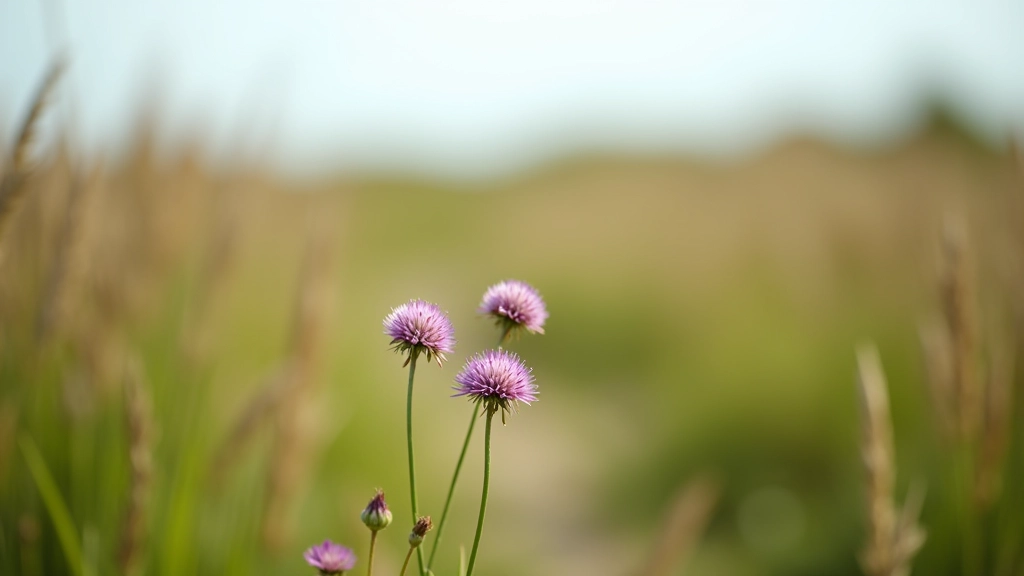
Close-up of colorful wildflowers blooming along the coastal marsh with salt grass and water in the background
Síle O'Donovan, Senior Nature Access Specialist

Author

Síle O'Donovan

Senior Nature Access Specialist

Nature access specialist with 14 years' experience designing inclusive coastal walks for retirees across Dublin's nature reserves.

Spring: When the Island Wakes Up

Spring on Bull Island isn't subtle. From late March through May, the marshes transform. You'll notice it first in the light — longer evenings mean you're not rushing against darkness anymore. The temperature's still unpredictable though. We're talking 8-15°C, so layering becomes your best friend.

The real magic happens underfoot. Sea pinks, bird's-foot trefoil, and saltwort explode across the dunes. It's not the colorful show of a garden, but it's authentic and it's vibrant in its own way. Birds return too — you'll see oystercatchers, lapwings, and terns arriving to nest. The whole reserve feels purposeful, like everyone's got somewhere to be.

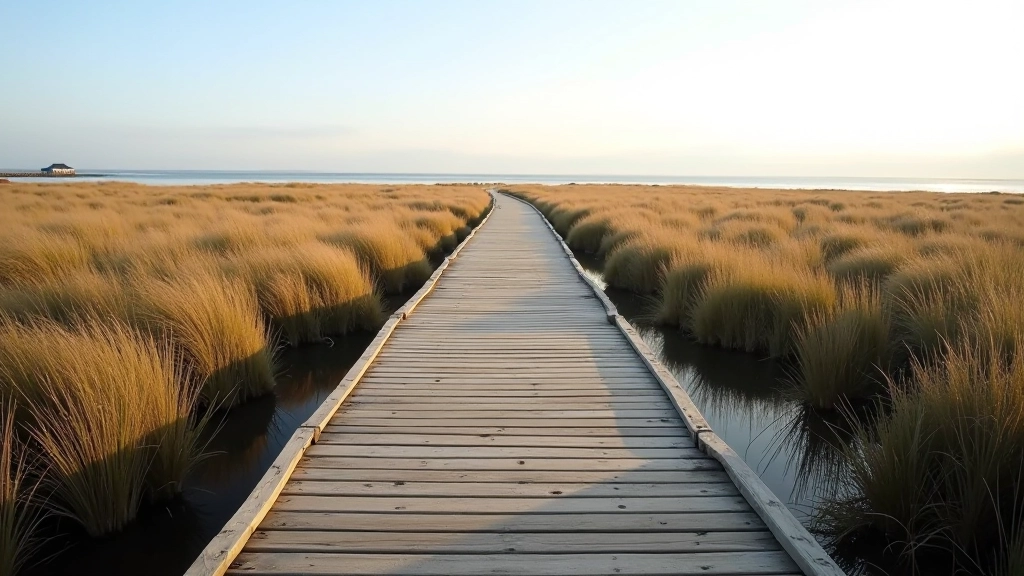
Walking-wise, spring's straightforward. Mornings can be wet from dew, so waterproof shoes help. The wooden bridge is slick when it's damp, which is often. Pace yourself — the paths aren't muddy yet, but they're soft and that changes how your knees feel. Most people find a comfortable rhythm takes about 15 minutes to settle into.
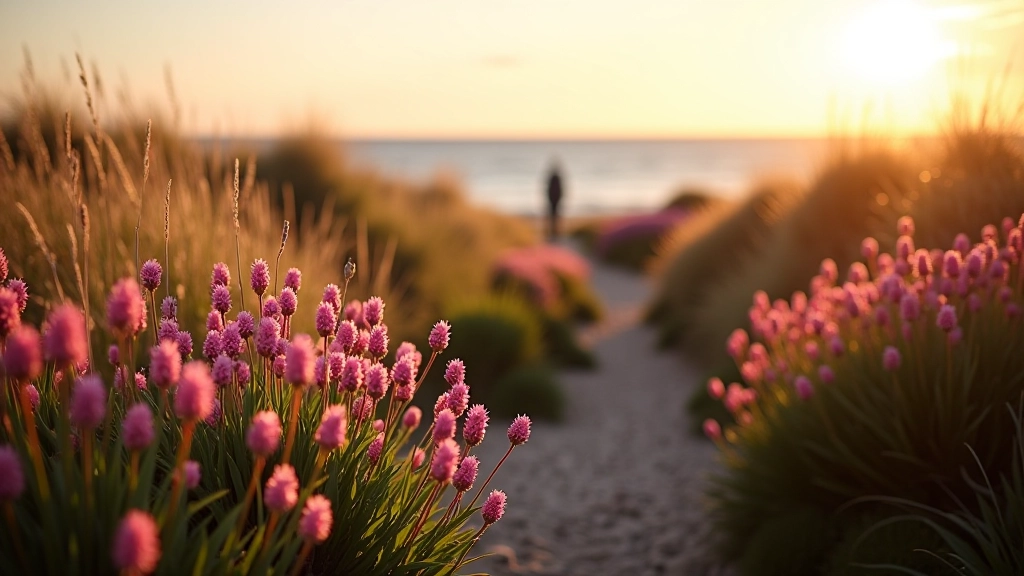
Vibrant pink and purple wildflowers growing densely across coastal sand dunes with marsh grasses
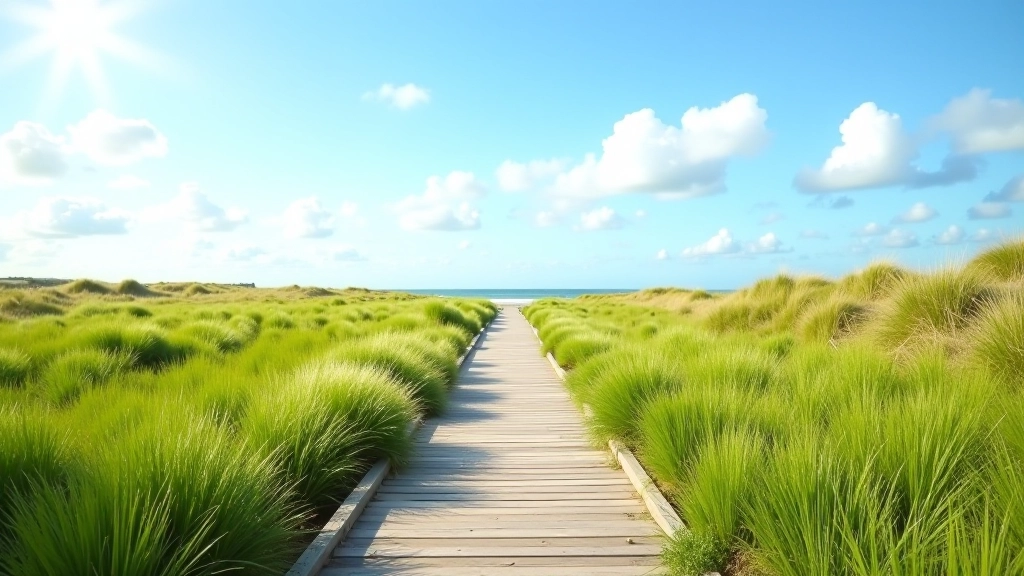
Lush green vegetation covering coastal dunes under bright blue summer sky with scattered white clouds

Summer: Peak Season (But Less Crowded Than You'd Think)

June through August brings reliable warmth. You're looking at 15-22°C on a typical day, though the wind off Dublin Bay keeps things from feeling hot. It's the season when you can actually walk without thinking about weather. That's valuable.

The vegetation's at its peak — everything's green, the reserve looks almost lush. Bird activity quiets down because nesting's in full swing and chicks are being reared. Don't expect the dramatic arrivals of spring. What you get instead is a sense of abundance. The whole place feels alive in a different way.

Summer brings specific challenges though. Sunburn's real — the reflection off the water amplifies UV. You don't feel the sun burning because of the wind, then you realize at the end of the day that you're crispy. SPF 30 minimum, applied before you leave. Dehydration sneaks up too. Bring more water than you think you'll need. And honestly? Midges can be annoying on still evenings. Dawn or late afternoon walks tend to be cleaner.

About This Guide: This article provides educational information about seasonal conditions on Bull Island based on historical weather patterns and wildlife behavior. Actual conditions vary year to year. Always check current weather forecasts and tide times before walking. If you have mobility concerns or health conditions, consult your doctor about suitable walking activities. The island's conditions change rapidly — what's true one week might not be the next.

Autumn: The Sweet Spot

September through November is genuinely the best time to walk here. Seriously. The temperature settles between 10-16°C — cool enough that you're not sweating, warm enough that you're not shivering. The light changes too. That golden quality in September and October makes everything look like it's been touched with good intentions.

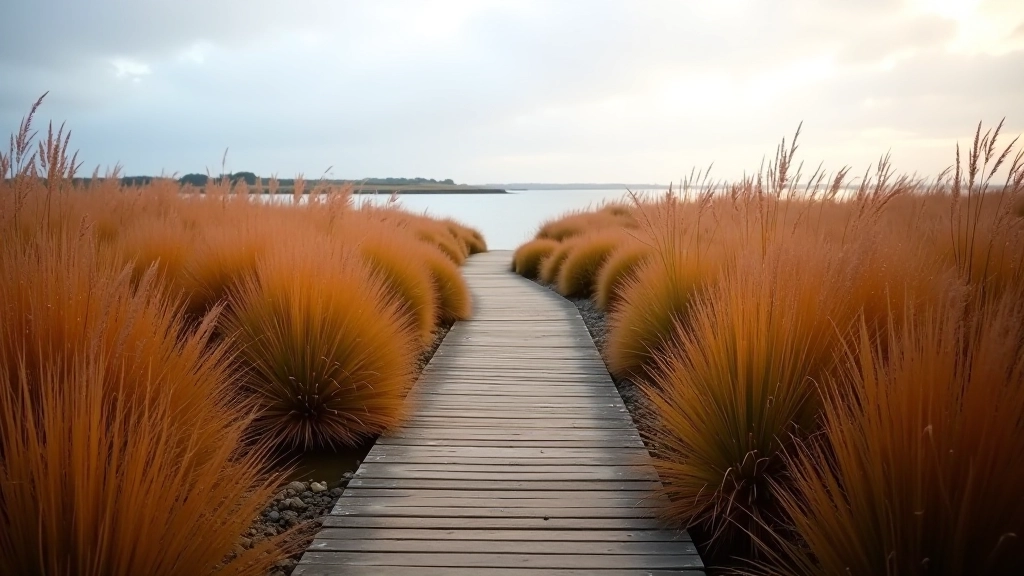
This is migration season. You'll see waders moving through — turnstones, dunlins, curlews. The variety's remarkable if you pay attention. The marsh grasses turn gold and rust. It's beautiful in a subtle way. Not flashy like spring, but richer somehow. There's a sense of the reserve preparing itself.

Autumn does bring wind. October can be blustery. Bring a proper windproof layer — not just a fleece. The wooden bridge gets slippery with fallen leaves and moisture. Watch your footing there. The paths are mostly dry, which makes for easy walking. Your knees will appreciate the firm ground. Most walkers find they can cover more distance in autumn because the conditions are just right.

Golden and rust-colored marsh grasses swaying in wind under a soft autumn sky with muted light
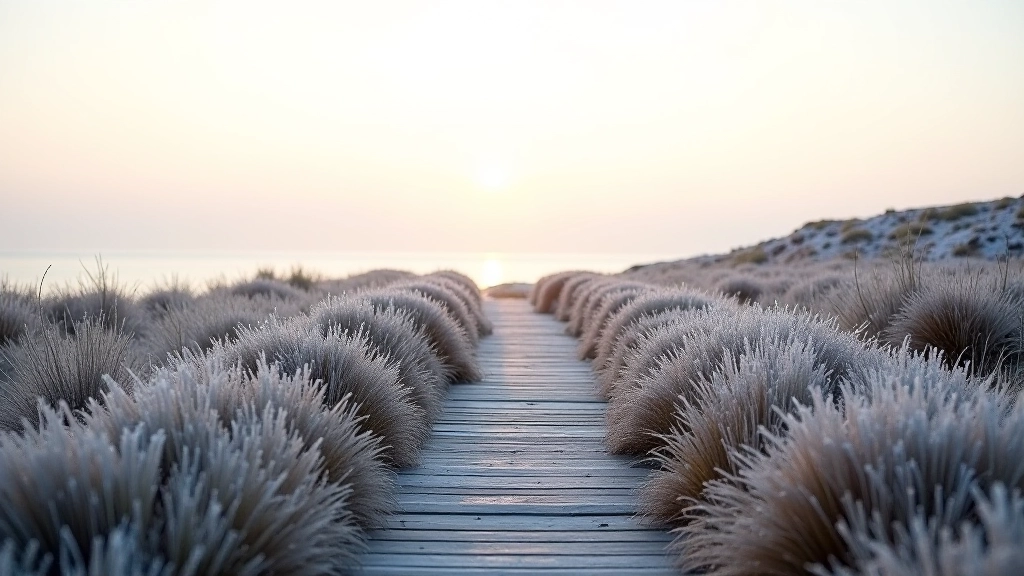
Frost-covered grasses and plants glistening in pale winter sunlight with muted gray-blue sky

Winter: Quiet and Honest

December through February is when Bull Island shows itself most plainly. It's cold — you're typically looking at 4-9°C. The light's thin and low. The vegetation dies back. You see the bones of the place. And there's something genuine about that. No pretense. No flourish.

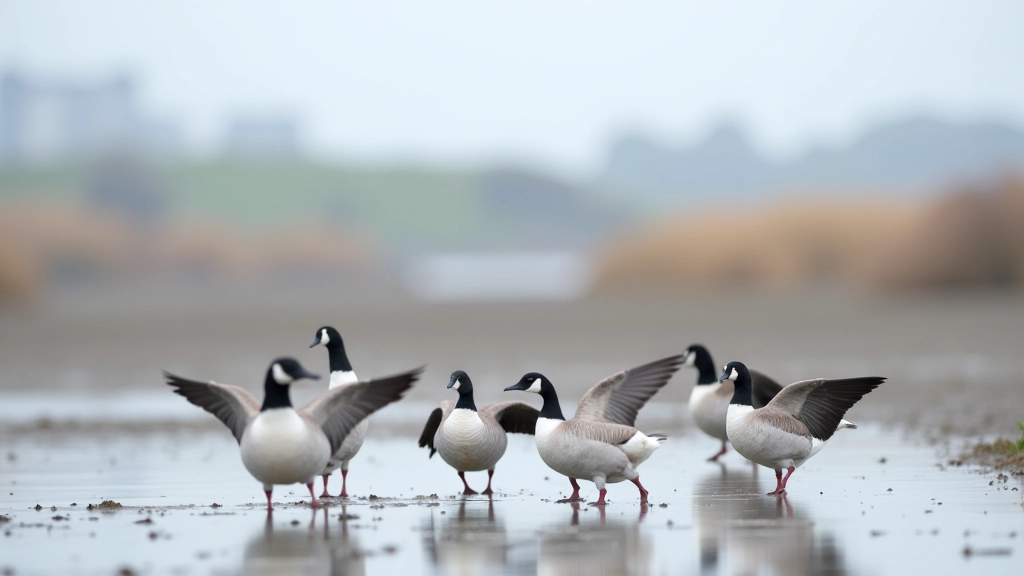
Winter's when the serious birdwatchers come. The reserve hosts overwintering species — brent geese, shovelers, pintails. The numbers are lower than autumn migration, but they're concentrated. If you're interested in birds, winter rewards paying attention. The marshes look almost monochrome, then you notice the subtle colors in the plumage of the ducks.

Walking in winter requires respect for conditions. Frost makes paths treacherous early morning. The wooden bridge becomes genuinely dangerous when it's icy — we're not exaggerating. Wear proper winter boots with grip. Layer heavily — wind chill matters out there. You'll warm up once you start moving, but don't underdress at the beginning. Winter walkers tend to do shorter loops, 30-45 minutes rather than the hour-plus of other seasons. That's fine. The place doesn't demand length in winter. It rewards attention.

Walking Year-Round: The Reality

Bull Island's worth visiting in every season. They're genuinely different experiences. Spring's about renewal and return. Summer's reliable and abundant. Autumn's the goldilocks season where everything feels just right. Winter strips everything down to essentials.

The key is matching your expectations to the season. Don't expect spring's drama in winter. Don't expect summer's simplicity in autumn. Show up prepared for what's actually happening, and you'll find something valuable every time you visit. That's what makes this place work — it's honest about what each season offers, and it's worth your time in all of them.