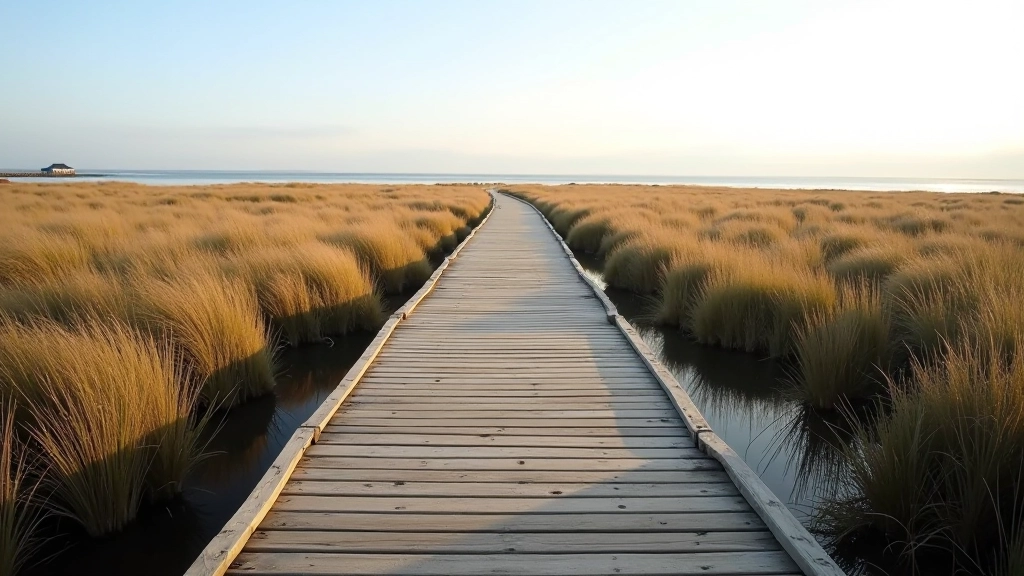
The Wooden Bridge Loop: A Complete Walking Guide
Step-by-step directions for the iconic wooden bridge circuit, including rest spots and what to expect.
A practical guide to identifying the waders and waterfowl that call the island home. We've covered the most common species and the best times to spot them.

Bird watching on Bull Island doesn't require fancy equipment or years of experience. You'll see more than you'd expect with just a good pair of binoculars and a bit of patience. The island's position between the Liffey estuary and Dublin Bay makes it a natural stopping point for migratory species. That's why you'll find such a wide variety here — sometimes over 150 different bird species recorded in a single year.
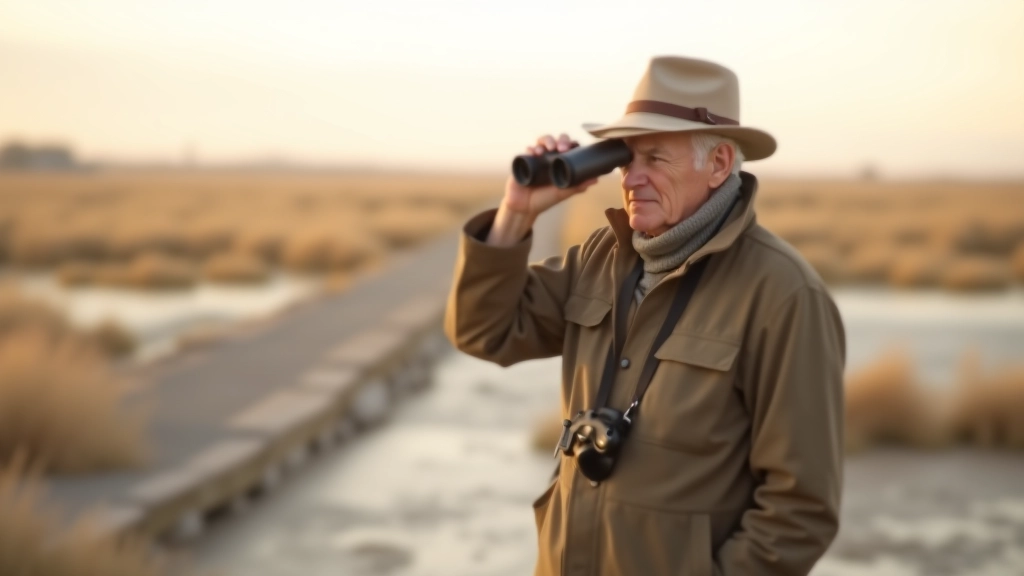
The best part? You don't need to walk far. The mudflats near the wooden bridge are absolutely packed with feeding birds, especially during winter months. Early morning visits work best — most birds are most active before 10am when the tide's out and they're feeding on exposed mud. Bring binoculars (8x42 or 10x42 magnification works well), a field guide, and honestly, a warm coat. The wind can be sharp along the coast.
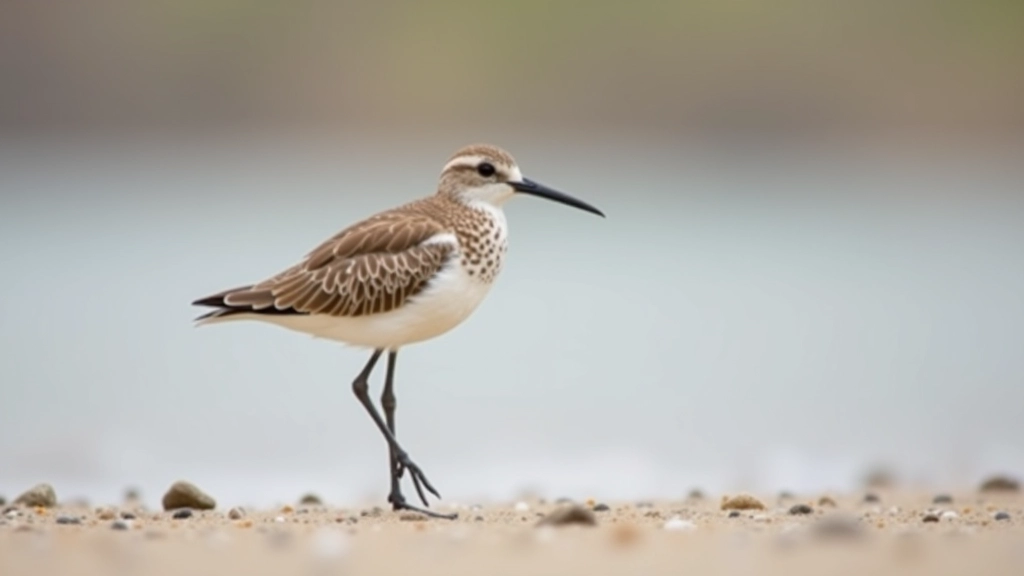
Waders make up the majority of birds you'll encounter on Bull Island. They're specialist feeders, probing the mud for small invertebrates. The curlew is probably the most distinctive — you can't miss that long, downward-curving beak. A single curlew can cover an enormous feeding area, sometimes walking the mudflats for hours without stopping.
Godwits are equally impressive, though slightly smaller than curlews. They've got an upturned bill instead of a downturned one, which is the quick way to tell them apart. Dunlin are tiny by comparison — grey-brown little birds that move quickly in tight flocks. You'll see them by the hundreds sometimes, especially in winter. Knot are another winter visitor, arriving in September and staying through April. They're plump and grey, and they move as one unified flock which is mesmerizing to watch.
Pro tip: Visit during autumn migration (August–October) or winter (November–February) for the highest bird concentrations. Spring and summer are quieter, but you'll still find nesting plovers and terns.
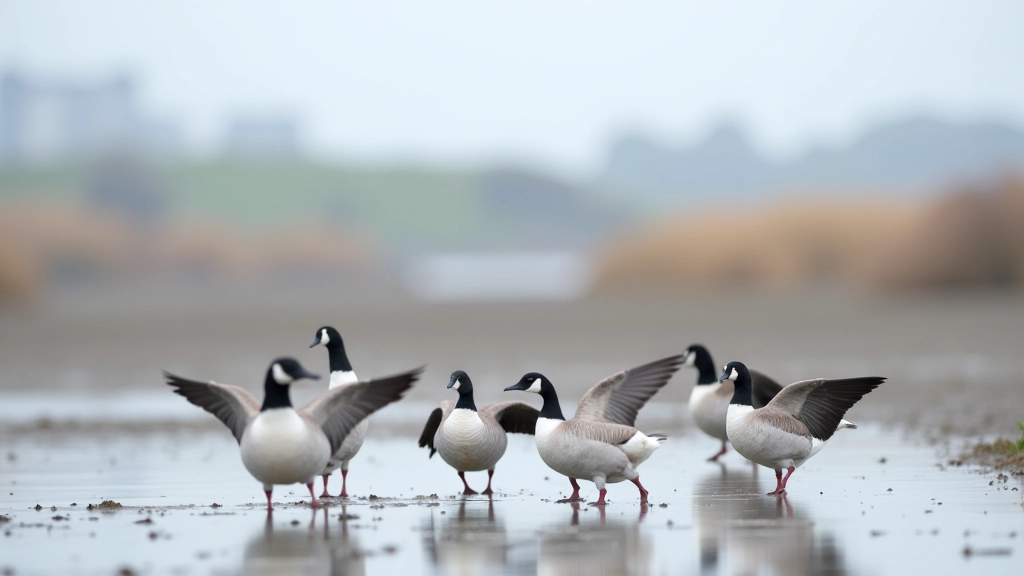
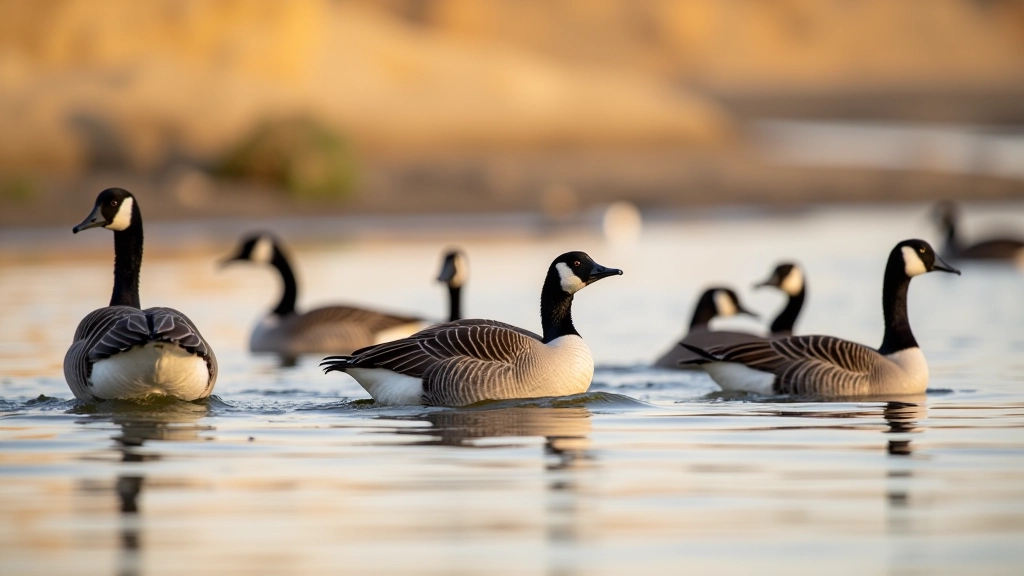
If waders are the specialists, waterfowl are the showstoppers. Brent geese are the island's signature birds — small dark geese that arrive in huge flocks from the Arctic in October. They're incredibly social and vocal, which means you'll hear them before you see them. Their honking carries across the bay and it's genuinely thrilling. A flock of a thousand brent geese isn't unusual here.
Shovelers and teal are winter regulars. Shovelers have this massive shovel-shaped bill that's unmistakable, while teal are small, quick ducks that often congregate in the shallower pools. Grebes are less common but absolutely beautiful if you spot them — great crested grebes in particular have this dramatic breeding plumage in spring. They're surprisingly shy though, so you'll need patience and good binoculars to see them properly.
Cormorants and shags dive for fish in the deeper channels. Cormorants are larger and darker, while shags are smaller with a crest. Both are excellent divers and you can watch them disappear underwater for 30 seconds or more hunting for fish. It's remarkable how long they can hold their breath.
Low tide exposes maximum mudflats — that's when birds feed. High tide pushes them into smaller areas. Check tide times before you go. Early morning (6-9am) offers the best light and calmest conditions.
Birds notice movement. Wear neutral colors (greens, greys, browns), avoid sudden movements, and keep conversation to whispers. You'll be amazed how close they'll come if you're patient. Sometimes 10 minutes of standing still reveals more than an hour of walking.
8x42 binoculars are the standard. Bring a waterproof bird identification guide or use an app like Merlin Bird ID. The wooden bridge area is ideal for observing without disturbing feeding birds.
Overcast days are often better than sunny ones — less glare, and birds are more active. Winter visits require extra layers. Wind is constant on the island, so dress warmly and bring windproof clothing.
Informational Note: This guide is for educational purposes and general interest. Bird identification can be challenging, especially with younger birds or seasonal plumage variations. We recommend consulting detailed field guides like the Collins Bird Guide or using expert identification resources for confirmation. Weather and tidal conditions change rapidly — always check forecasts before visiting and bring appropriate safety equipment. The wooden bridge path can be slippery when wet, so appropriate footwear is essential.
Bull Island isn't just a nice walk — it's one of Ireland's most important wetland habitats. The mudflats, saltmarsh, and shallow waters provide food and shelter for thousands of birds each year. Many species you'll see here are traveling thousands of miles between their Arctic breeding grounds and African wintering grounds. Bull Island is a critical rest stop on that journey.
For retirees looking for a peaceful outdoor activity with real substance, bird watching here delivers. You're not just standing around — you're connecting with nature's migration cycles, learning to identify species, and understanding the intricate ecosystems that keep these birds alive. Plus, it's genuinely free. No fees, no equipment beyond what you probably already own, just you and the birds.
Start with the wooden bridge area during winter months. Bring your binoculars, dress warmly, and go early. You'll be surprised at how quickly you'll recognize curlews from godwits, or spot dunlin flocks. Bird watching has a learning curve, but it's a gentle one — and the rewards are immediate.
Read our complete guide to the wooden bridge loop